What You Really Need to Know Before Buying in Big Bear Lake
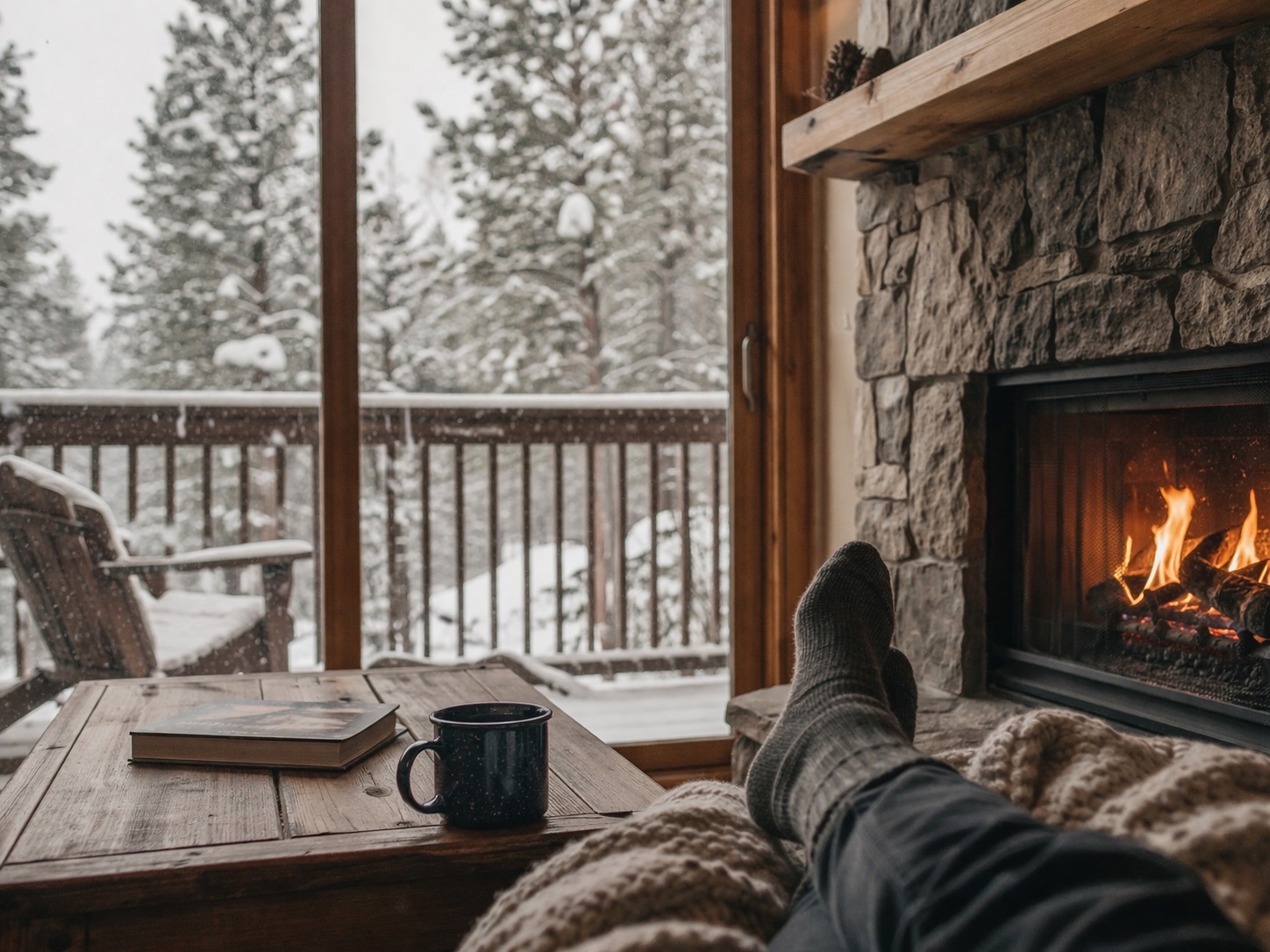
Buying a cabin in Big Bear usually doesn’t start with spreadsheets.
It starts with a weekend.
Maybe it’s snowing. Maybe it’s quiet. Maybe you’re sitting by the fire thinking, “I could see myself here.”
And honestly—that feeling is real.
But what most buyers don’t realize is that owning a place in Big Bear comes with a second layer… the part that doesn’t show up in photos or weekend trips.
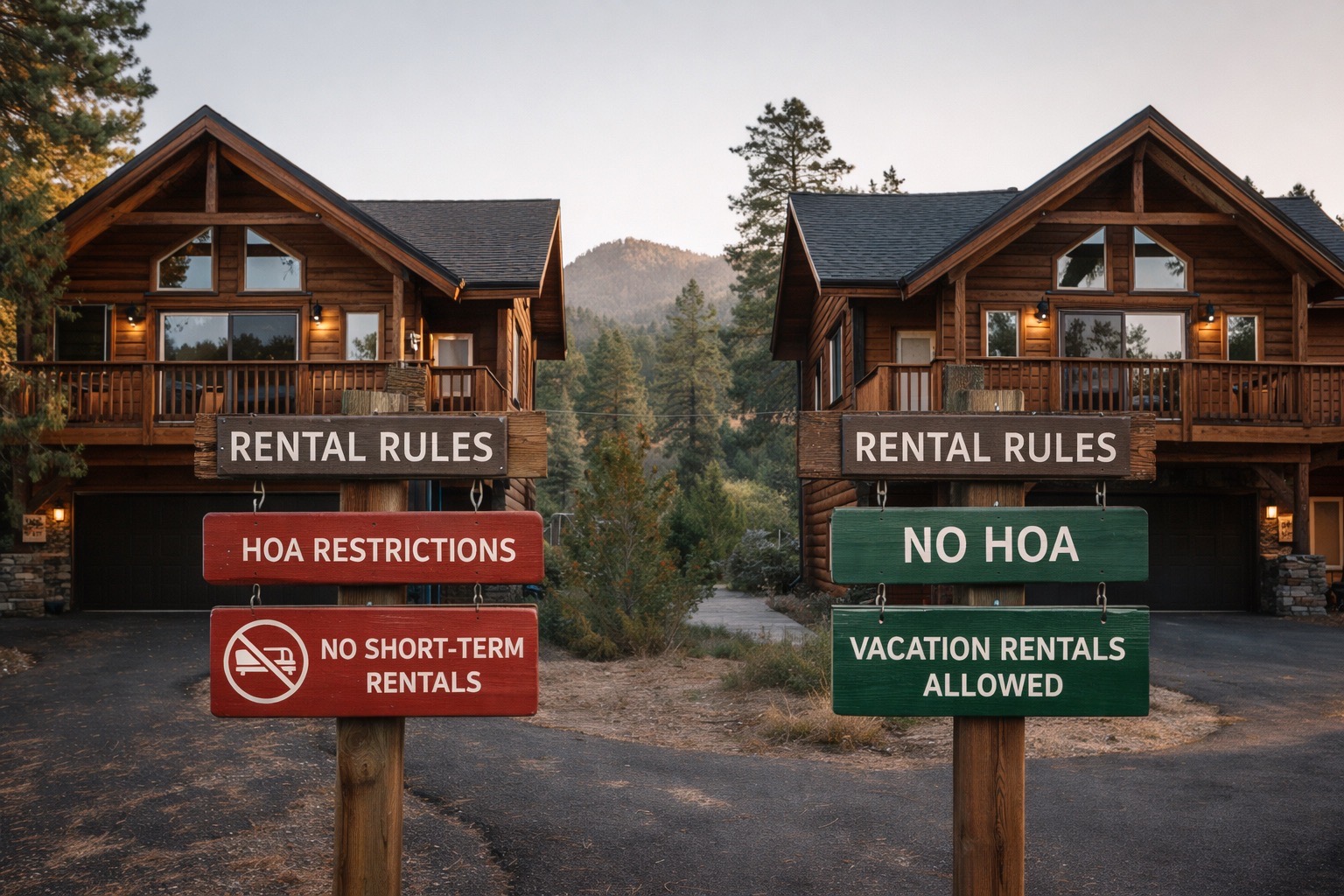
One of the first surprises for buyers is how different things can be depending on exactly where you buy.
Two homes can look almost identical, be just minutes apart—and have completely different rules.
Some neighborhoods have HOAs. Some don’t. And the ones that do can have restrictions that directly affect how you use the property—especially if you’re thinking about renting it.
Short-term rentals? Not always allowed.
Even outside of HOAs, permit rules can vary depending on whether the property falls within city limits or county areas.
It’s not complicated—but it’s something you need to check early.
Because finding out after closing is where problems start.
This is where things shift from exciting to real.
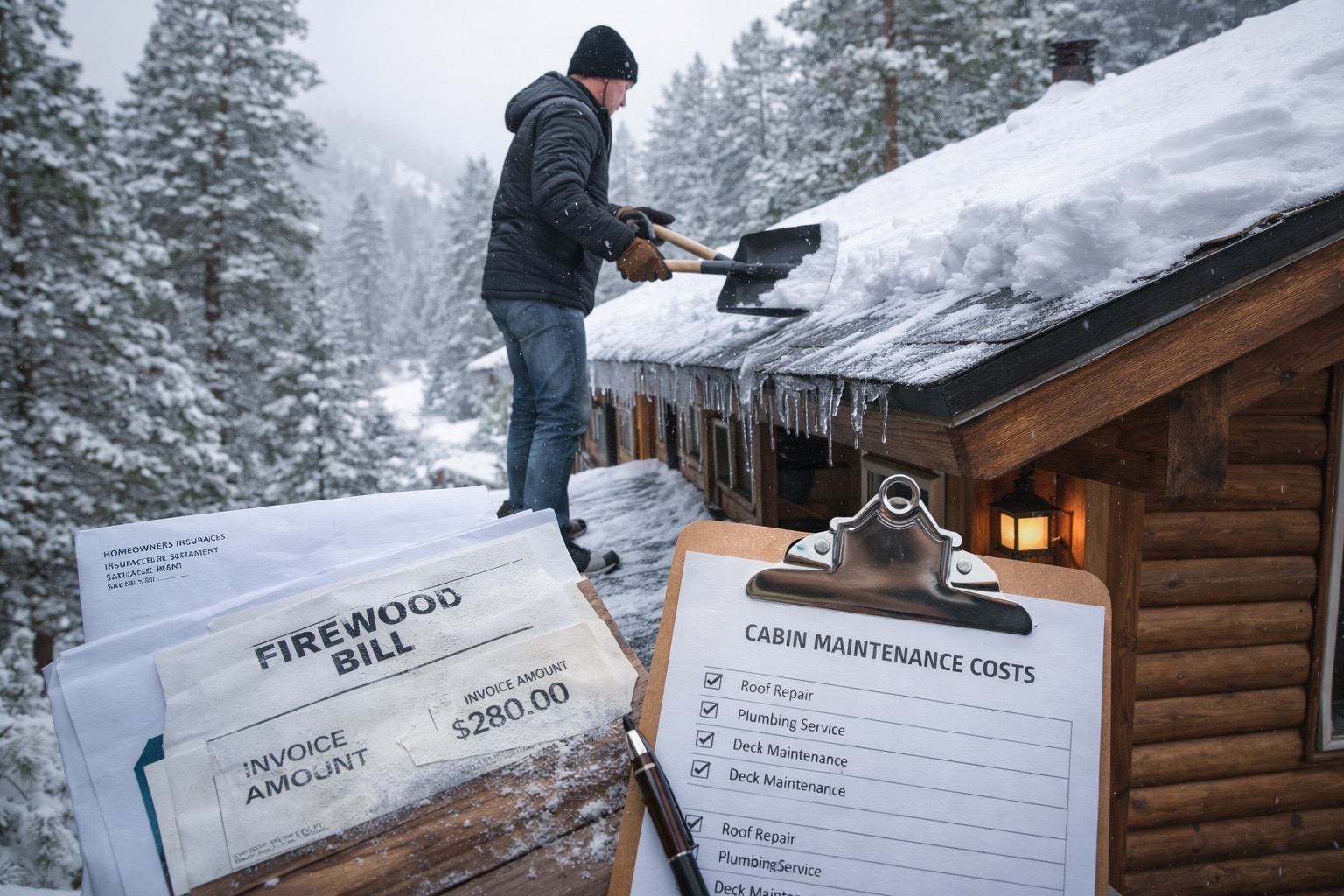
Owning in Big Bear isn’t just about your mortgage—it’s about everything that comes with maintaining a home in the mountains.
Insurance can be higher due to wildfire risk. Some buyers even struggle to find traditional coverage and need alternative options.
Utilities don’t pause when you leave. In winter, heat has to stay on to prevent pipes from freezing—even if no one’s there.
And then there’s maintenance.
Roofs, decks, plumbing—everything goes through more wear at elevation. Not all at once, but over time, it adds up.
The buyers who do well here aren’t surprised by these costs.
They plan for them.
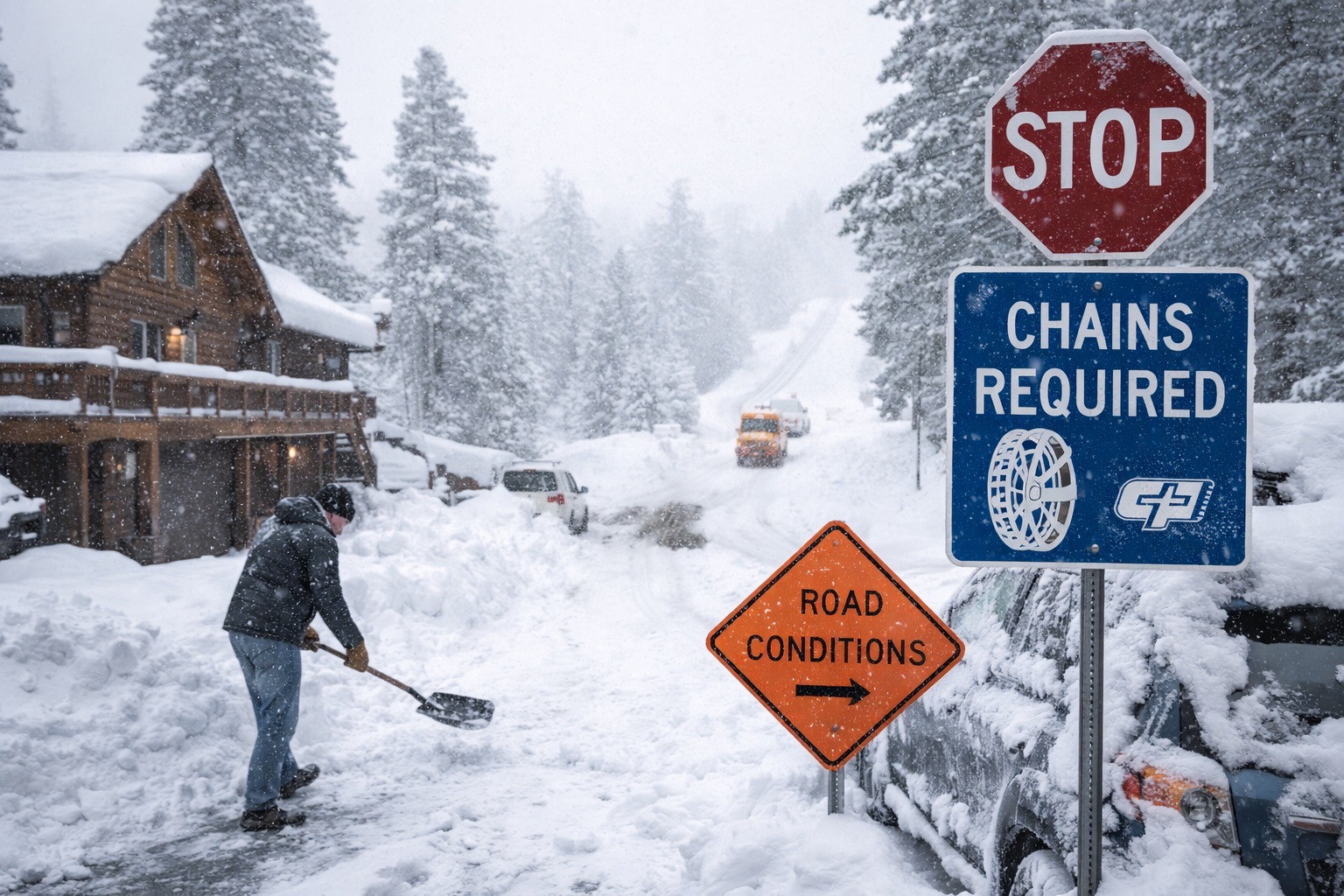
Snow is part of what makes Big Bear special.
But once you own property here, it becomes your responsibility.
Driveways don’t clear themselves. Walkways need attention. Roofs can carry serious weight during heavy storms.
If you’re not local, that means having a plan—whether that’s hiring someone or coordinating ahead of time.
Even getting to your property can be different than expected.
Chain control, traffic, road conditions—these are all part of mountain living. Not constant, but common enough to be part of the experience.
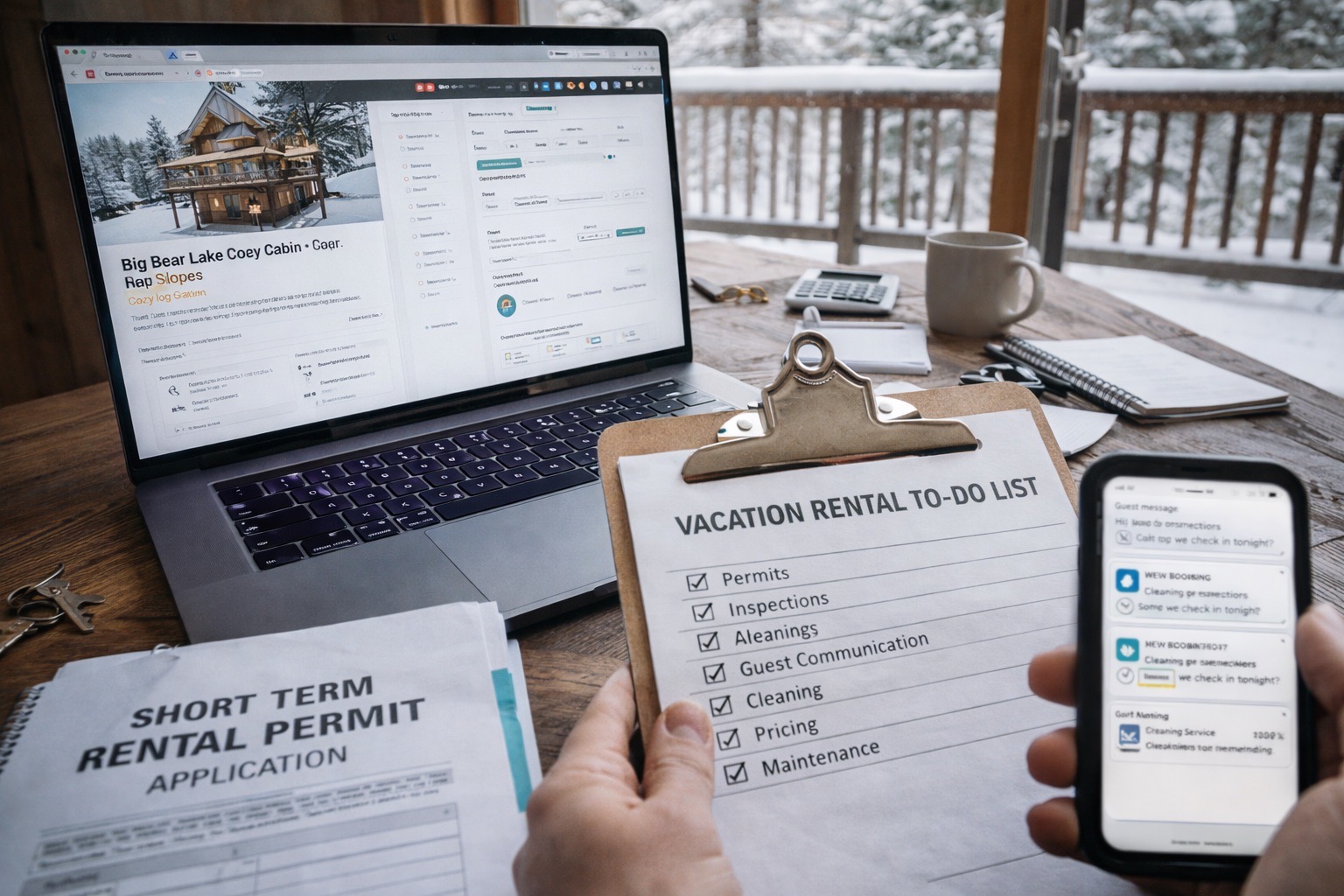
A lot of buyers come in thinking, “I’ll just Airbnb it when I’m not using it.”
And yes—it can work.
But it’s not passive.
There are permits, inspections, and local rules to follow. There’s also the ongoing side—guest communication, cleaning, pricing, maintenance.
Even with a property manager, there are fees that impact your bottom line.
The properties that perform well aren’t just listed.
They’re managed.
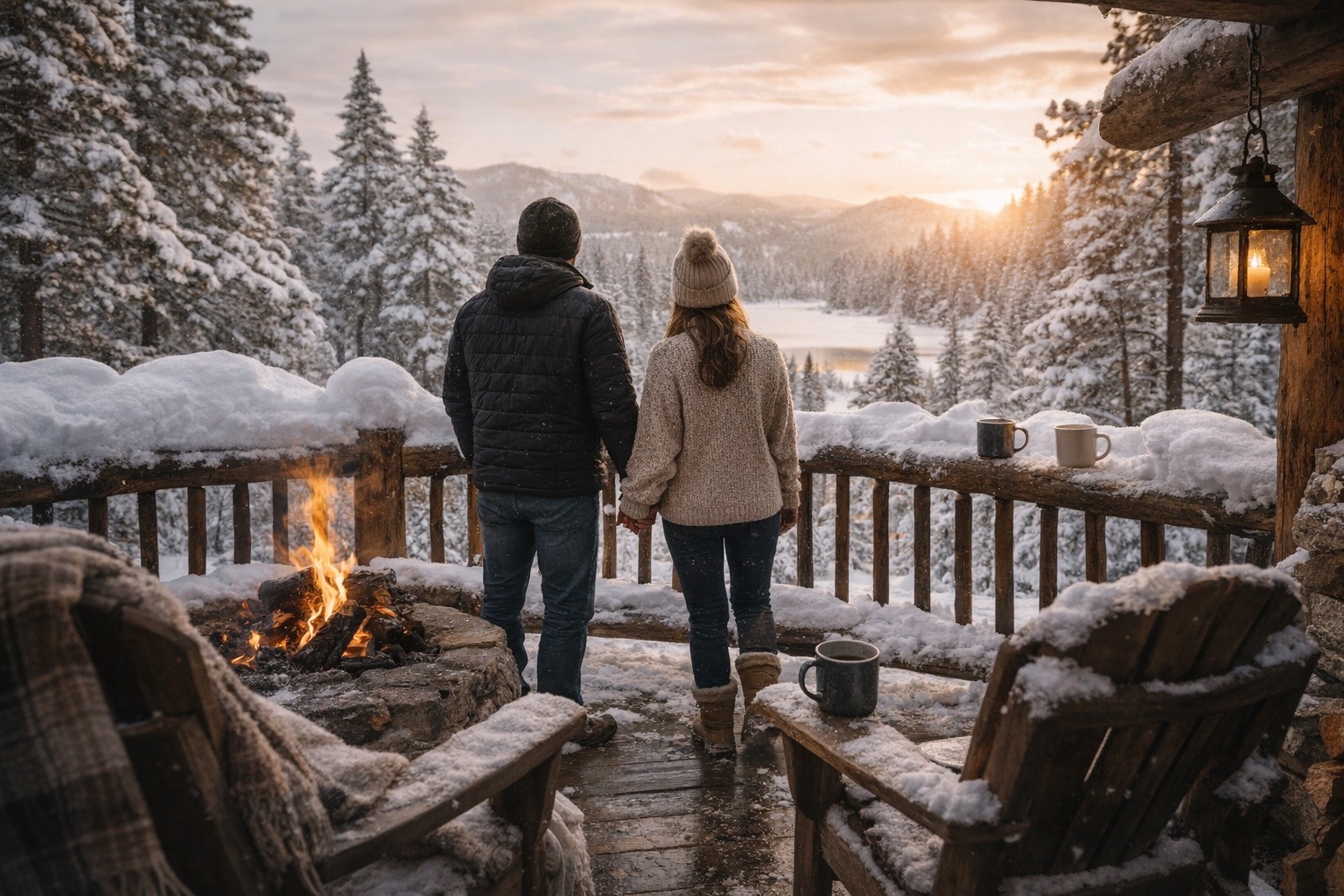
For many people, the answer is still yes.
Big Bear offers something that’s hard to replicate—proximity to major cities, year-round recreation, and a lifestyle that people keep coming back for.
But the key difference between buyers who love their purchase and those who regret it?
Clarity.
Knowing what you’re getting into before you commit.
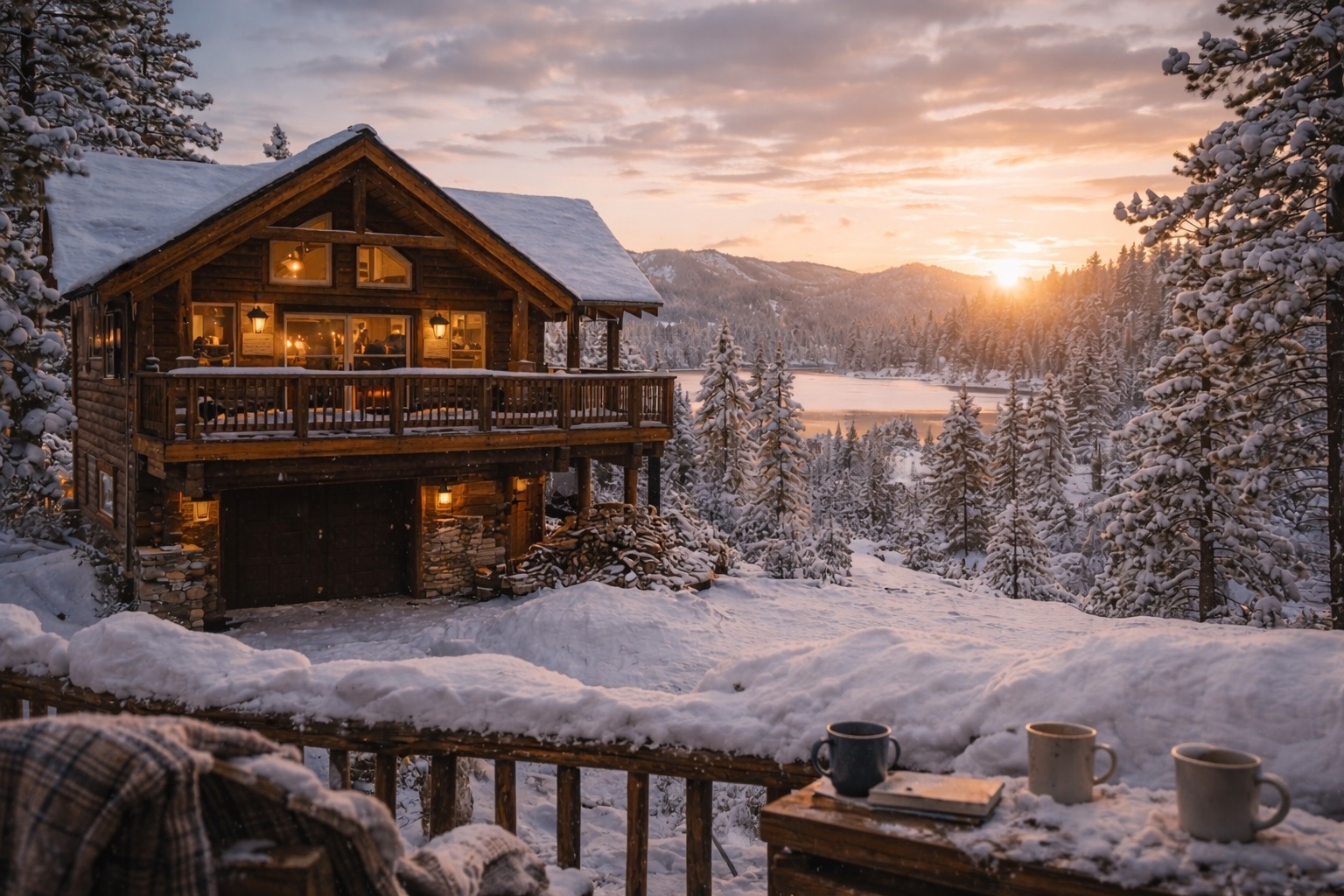
Buying in Big Bear Lake isn’t just about the dream.
It’s about understanding the full picture.
The lifestyle. The costs. The responsibilities. The opportunity.
Because when you go in with both eyes open, everything changes.
You’re not just buying a cabin.
You’re making a decision that actually works for you long-term.
